
What a Power Outage Means for Your Well (and How to Prepare)
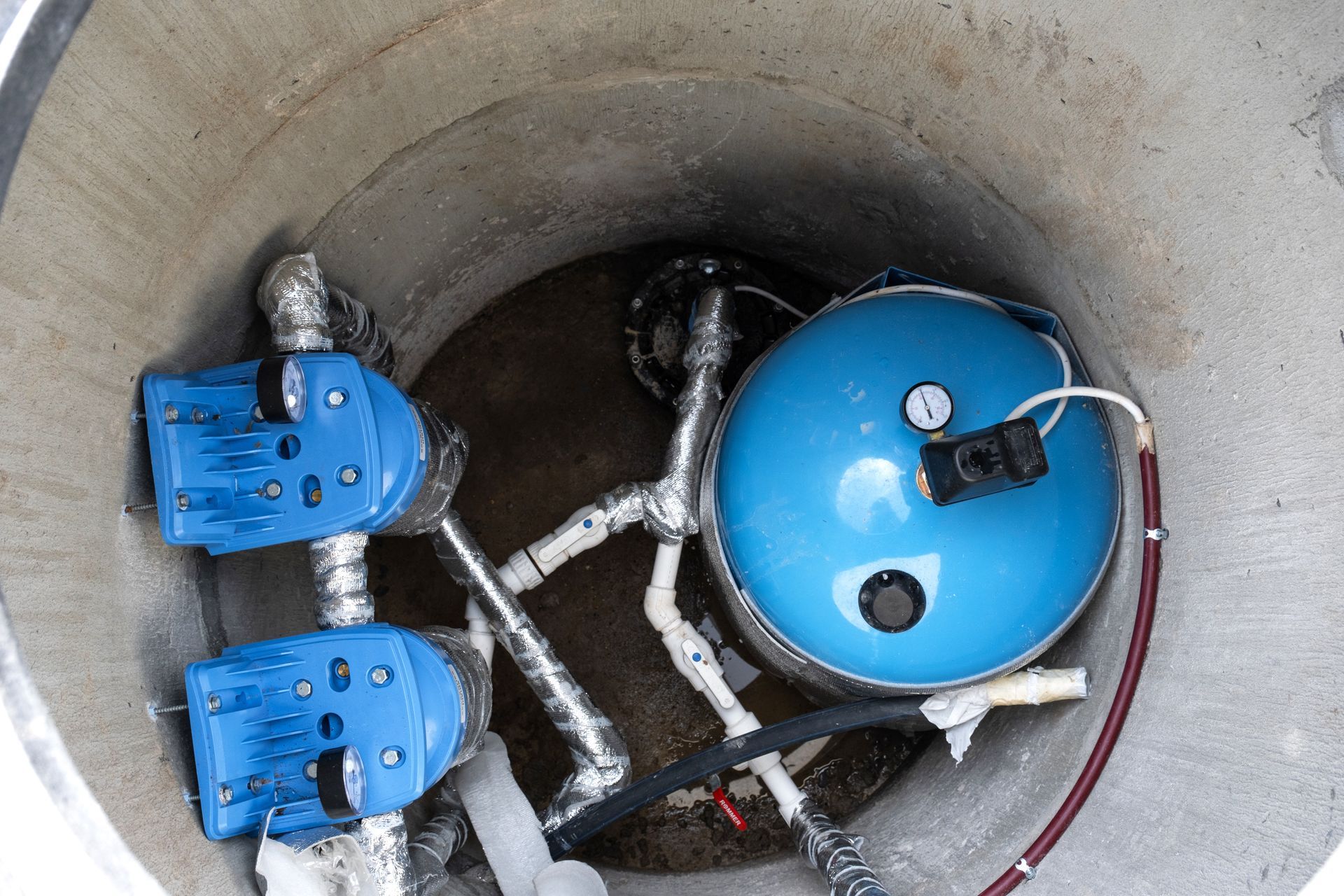
A well system runs entirely on electricity — no power means no pump, which means no water, regardless of how much water is sitting in the well itself. For homes on municipal water, an outage is an inconvenience. For a home on a private well, it means no running water at all until the power comes back or you have another way to run the pump. This is one of the more significant differences between well ownership and municipal water service that doesn't come up until the first time it actually happens. Here's what that actually means and how to prepare for it.
Why Wells Are More Affected Than Municipal Water
Municipal water systems typically have backup power built into their infrastructure at a utility level, so water continues flowing to most homes during a power outage. A private well has no equivalent unless the homeowner has set one up individually, which means a well-dependent household loses water access immediately when the power goes out, while neighbors on municipal service may not notice any difference at all. This gap often comes as a surprise to people who've recently moved from a municipal-water home to one on a private well.
What Losing Power Means Day-to-Day
No pump power means no water for drinking, cooking, bathing, flushing toilets, or anything else, for as long as the outage lasts. A short outage of an hour or two is a minor inconvenience; an outage lasting a full day or longer during a winter storm becomes a much more serious household problem, especially if it coincides with freezing temperatures that create other urgent issues at the same time. Households with young children, elderly family members, or anyone with specific medical needs may find an extended outage considerably more disruptive than the average household would.
Backup Power Options Worth Understanding
A generator sized to run your well pump is the most direct solution, though it requires some planning — not every generator can handle a pump's startup power draw, so sizing matters more than it might seem at first. A transfer switch, installed by a qualified electrician, allows a generator to power your well system safely without the risks of an improvised connection, which matters both for your own safety and for the safety of utility workers who may be working on restoring power nearby. This is worth setting up before you need it, not during an active outage when options are more limited and urgency makes careful decisions harder.
Portable vs. Standby Generators
A portable generator can work for many households, provided it's sized correctly and connected through a proper transfer switch rather than an improvised setup. A standby generator, installed permanently and set to activate automatically during an outage, offers more convenience but is a bigger upfront decision. Which option makes sense depends on how often your area experiences outages, how long they tend to last, and how much manual involvement you're comfortable with during an outage itself.
Keeping Water on Hand as a Backup
Beyond generator options, keeping a reasonable supply of stored drinking water on hand is a simple backup that doesn't depend on any equipment working. This is a low-cost safeguard worth having regardless of whether you also invest in generator backup, since it covers the gap during the time it takes to get a generator running or power restored, and it requires no planning beyond simply keeping some water in reserve.
Plan Before the Next Outage, Not During It
Figuring out generator sizing, confirming a transfer switch is installed correctly, and deciding how much backup water makes sense for your household are all easier to sort out on a calm day than during an active storm. If you're not sure what your current setup can handle, it's worth having someone take a look before the next outage, not after one has already made the gap in your planning obvious.
Make Sure Your Well System Is Ready
K & K Well Drilling, Inc. is a licensed Illinois well contractor serving well owners throughout Northern Illinois. Call (630) 553-5111 to talk through your system and what backup power options make sense for your setup. Travel fees may apply depending on your location.