
How to Prepare Your Well System for an Illinois Winter
Illinois winters put real stress on a well system, and most of the problems that show up in January trace back to something that could have been addressed in October. Freezing temperatures, power outages, and extended cold snaps all affect a well, pump, and pressure tank differently than a municipal water system, so it's worth taking a few specific steps before the cold sets in rather than waiting to react once a problem shows up.
Protect Exposed Pipes and the Wellhead
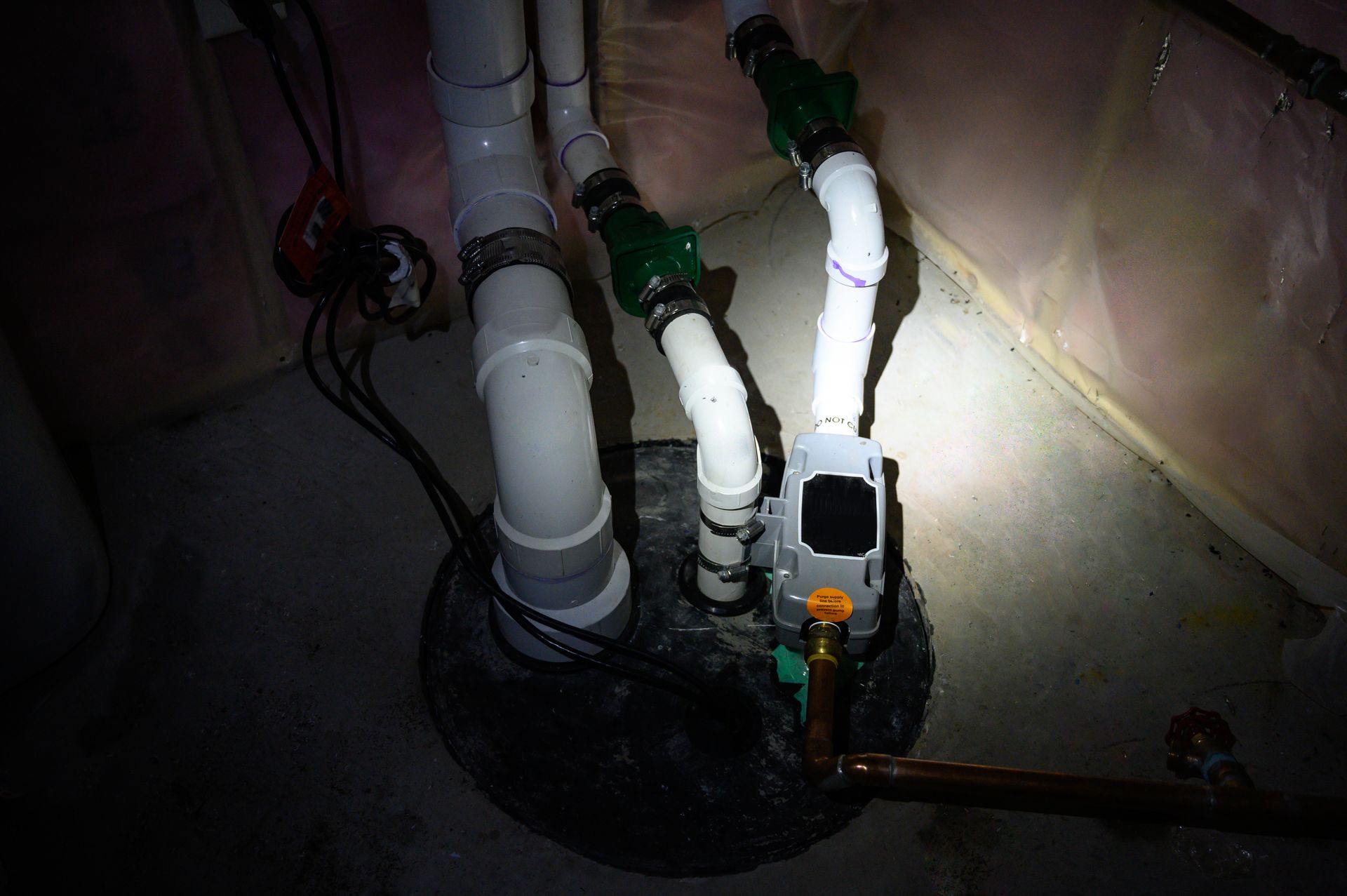
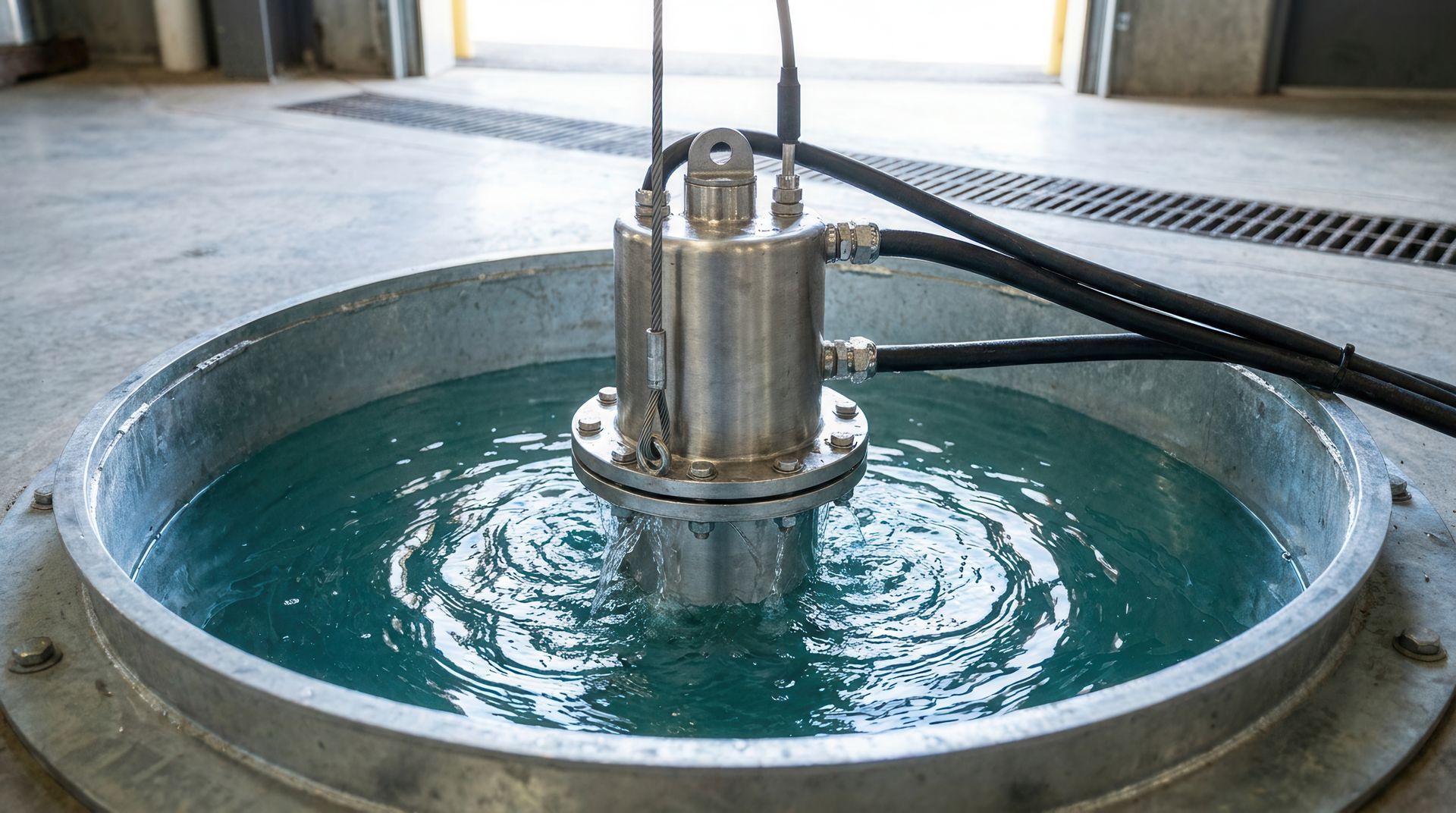
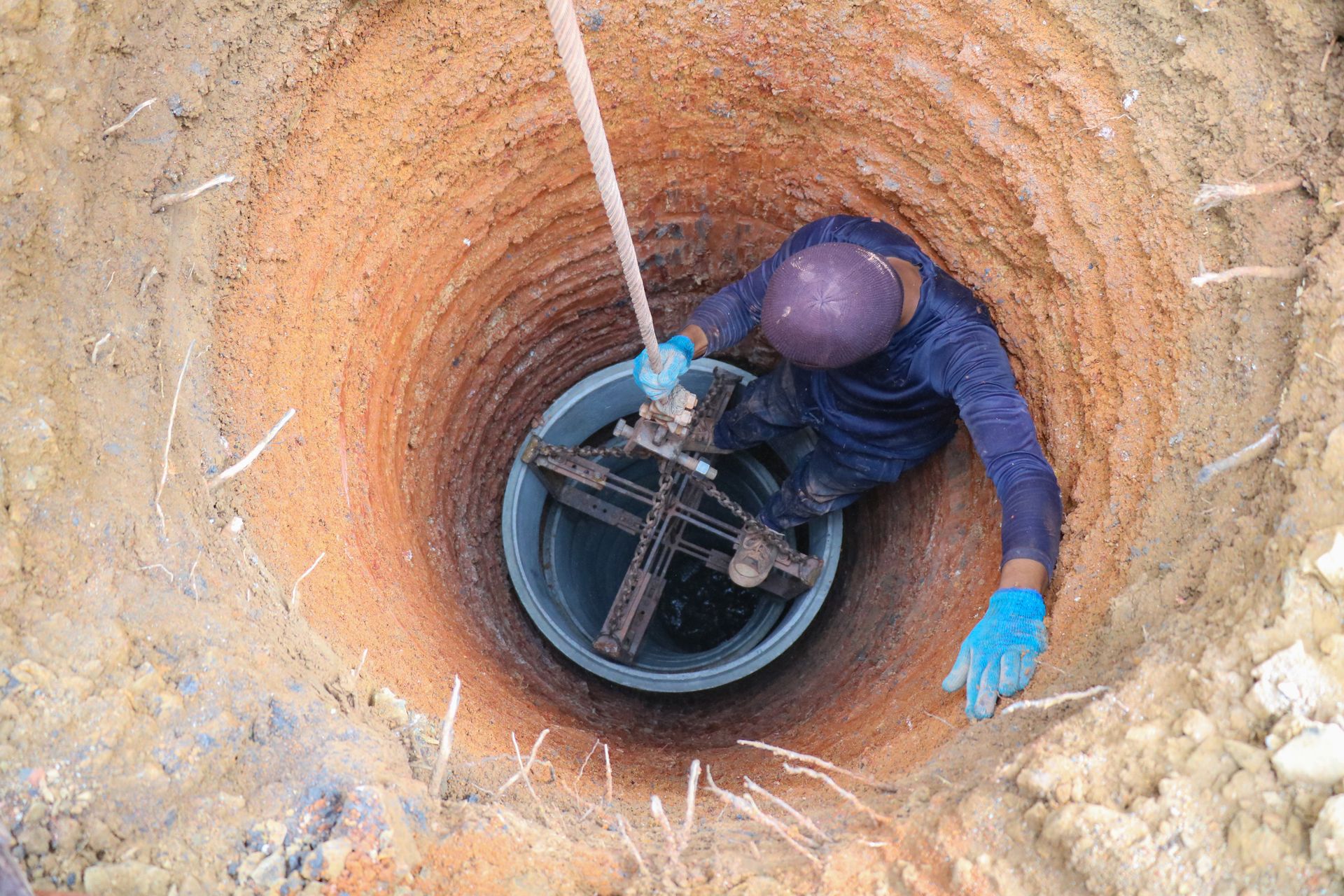
Any plumbing between the wellhead and your home that isn't buried below the frost line is vulnerable to freezing, especially in an unheated outbuilding, crawl space, or exposed exterior wall. Insulating exposed pipe sections and making sure the wellhead itself is properly sealed and insulated reduces the risk of a frozen line before temperatures drop. Older installations, or wells that have had additions or modifications over the years, are worth a closer look, since insulation standards and practices have sometimes changed since the original work was done.
Check Your Pressure Tank's Location and Insulation
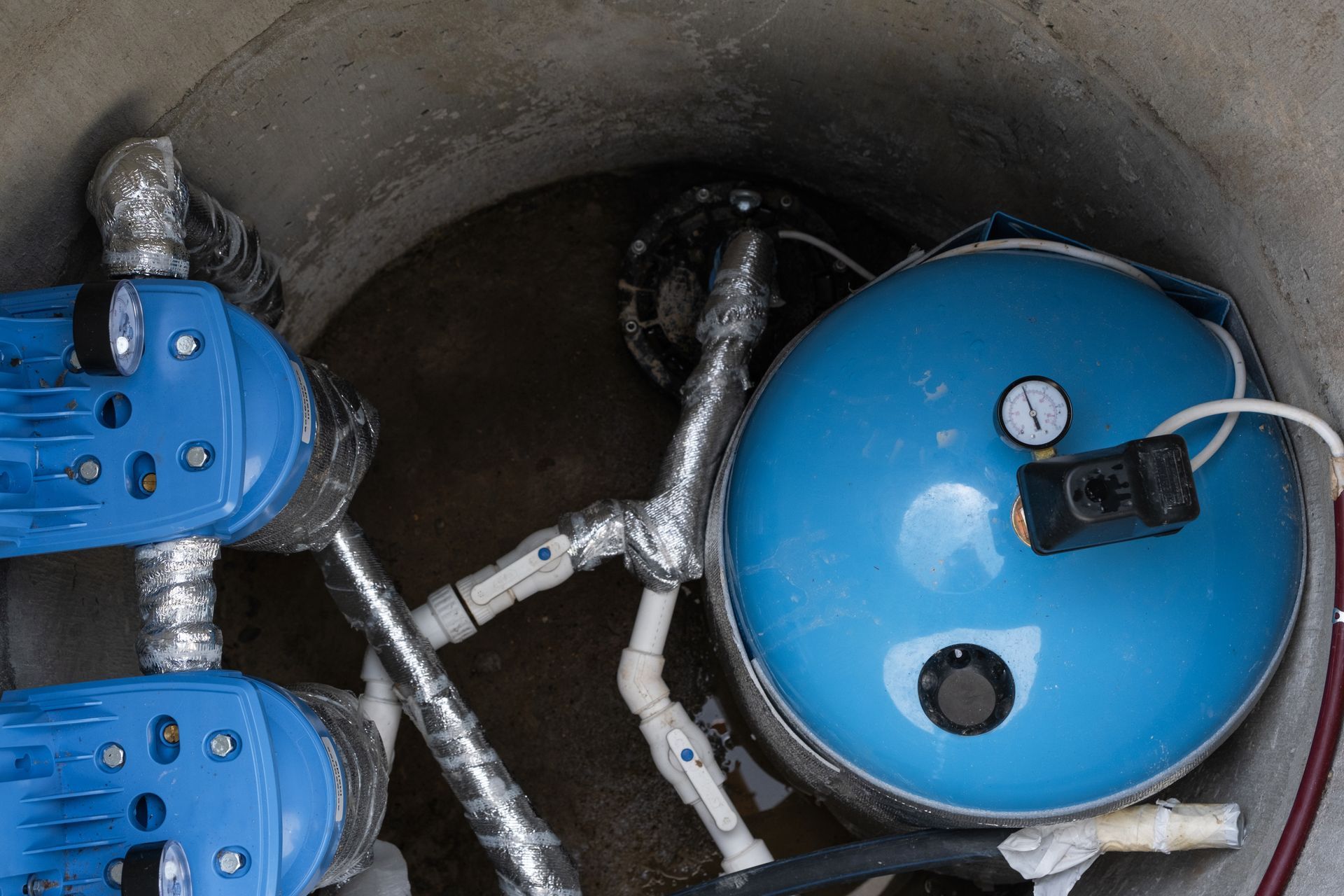
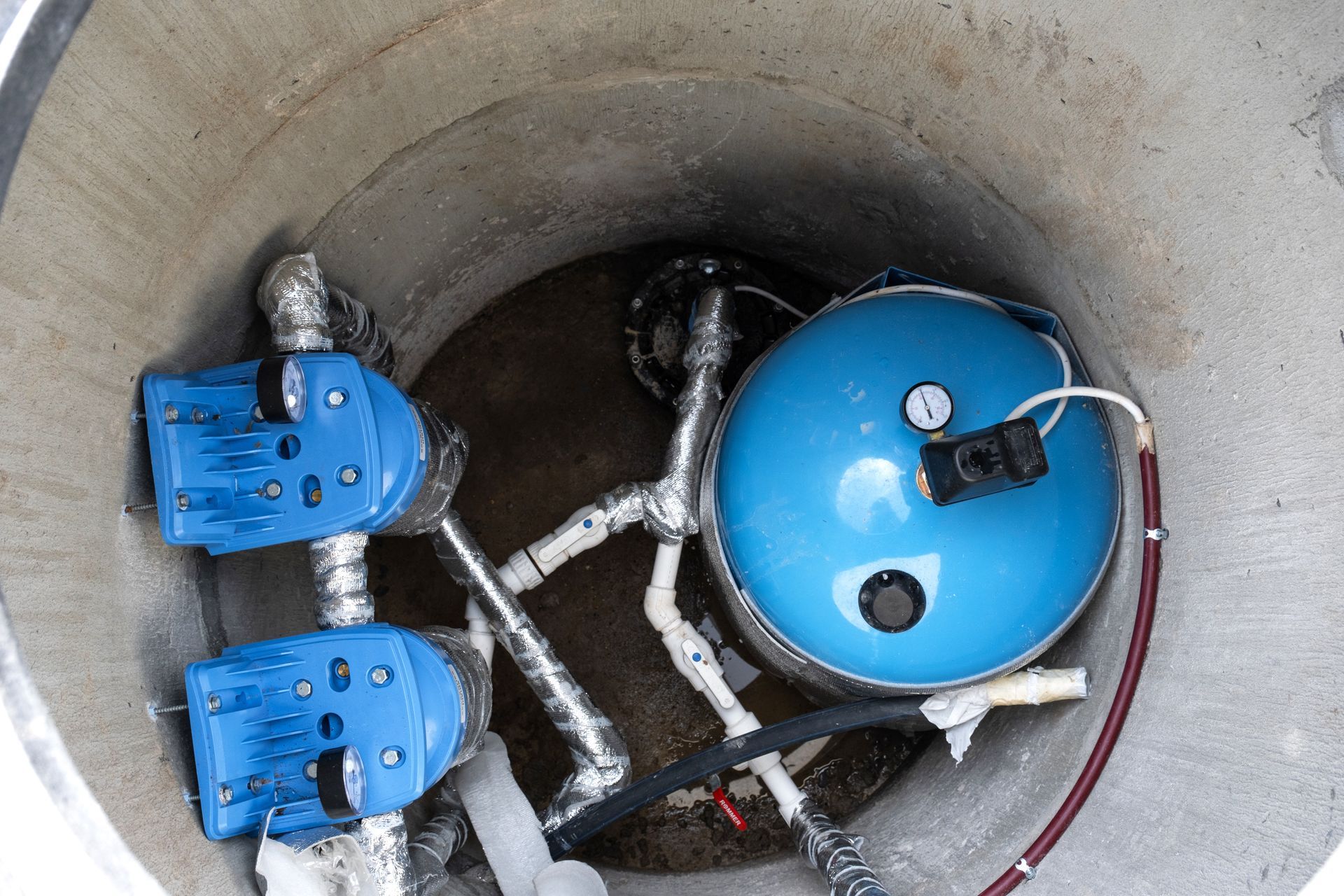
A pressure tank installed in an unheated basement, crawl space, or outbuilding needs adequate insulation to avoid freezing during an extended cold snap. If your tank is in a marginal location — somewhere that gets cold but not heated — it's worth having it assessed before winter rather than during an emergency. A frozen or cracked tank is a more disruptive repair than most people expect, and it's one of the more preventable cold-weather problems if it's caught ahead of time.
Know Where Your Shutoffs Are
If a pipe does freeze or a line develops a leak, knowing where your system's shutoff valves are before an emergency happens saves time and potential water damage. This is worth confirming now, when you have time to look and ask questions if something isn't clear, rather than during a cold-weather emergency when every minute matters and a basement or crawl space is the last place you want to be searching.
Watch for Signs of Developing Problems Before Winter Hits
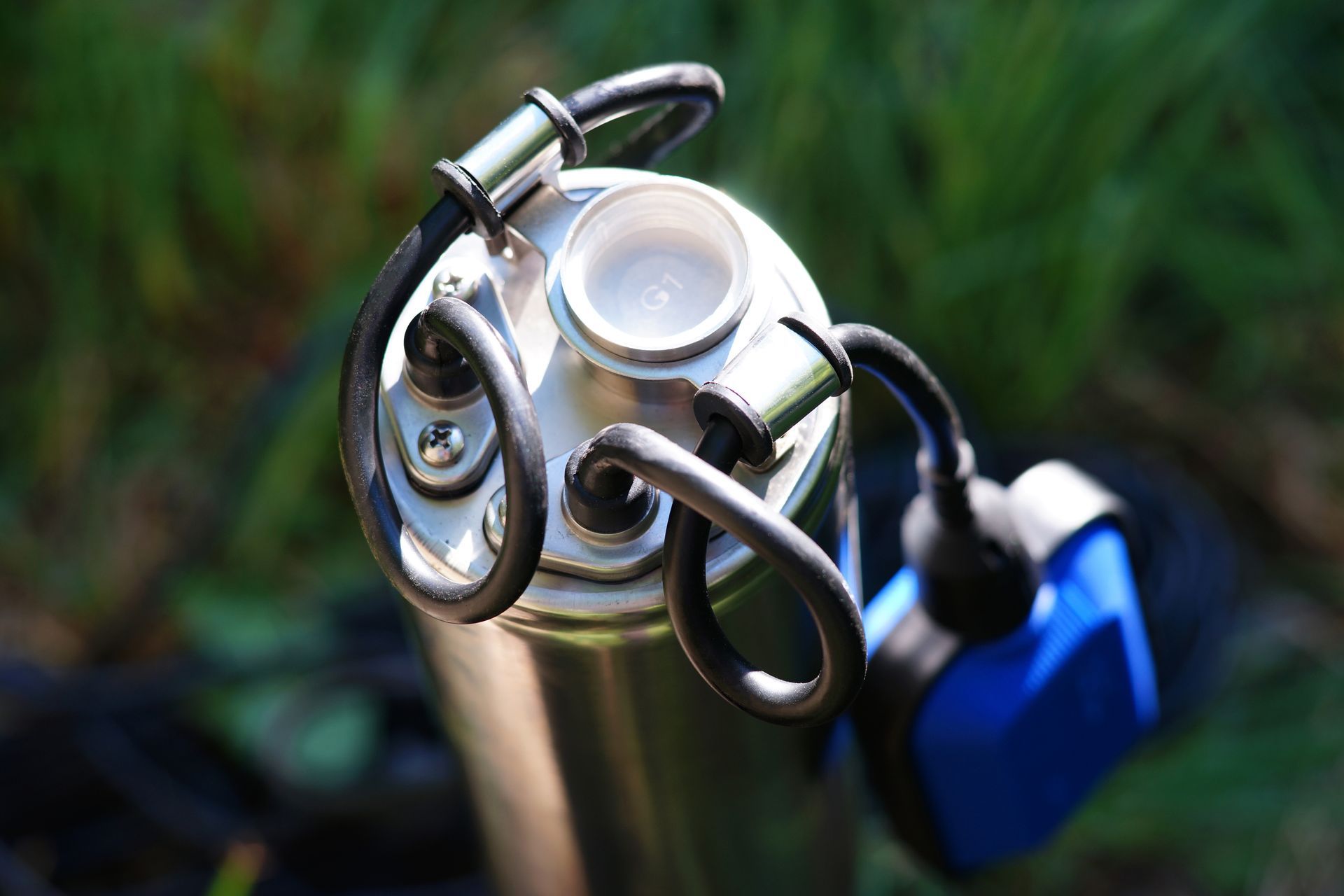
Fall is a good time to pay attention to any of the warning signs that suggest your pump or pressure system isn't performing the way it should — pressure fluctuations, unusual sounds, or a system that seems to be working harder than it used to. A marginal system that's merely inconvenient in October can become a genuine emergency in January if cold weather pushes it past the point it was already struggling to maintain.
Consider How a Power Outage Would Affect You
Winter storms bring power outages more often than other seasons, and a well pump without power means no water at all, regardless of how well-insulated the rest of your system is. If you haven't thought through what a multi-hour or multi-day outage would mean for your household's water access, winter is the season where that gap is most likely to matter. We cover this in more detail in a separate post on power outages and your well system.
Don't Wait for the First Hard Freeze
Once temperatures drop and stay down, it becomes harder to address issues that would have been straightforward to fix in milder weather — ground conditions change, and some work is simply more difficult in the cold. Early fall, before the first hard freeze of the season, is a more practical window for addressing anything you've been putting off than the middle of a cold snap.
Schedule a Pre-Winter Check if It's Been a While
If your system hasn't been looked at in a year or more, a pre-winter check can catch small issues — a marginal pressure tank location, an aging component, a line that's more exposed than you realized — before cold weather turns them into a bigger problem. This is especially worth doing if you've noticed any of the warning signs covered in our well pump guidance, like pressure fluctuations or unusual sounds.
Get Ahead of Winter Weather
K & K Well Drilling, Inc. is a licensed Illinois well contractor serving well owners throughout Northern Illinois. Call
(630) 553-5111 to schedule a pre-winter assessment of your well, pump, or pressure tank. Travel fees may apply depending on your location.